Is it worth introducing a loyalty system for customers in a workshop
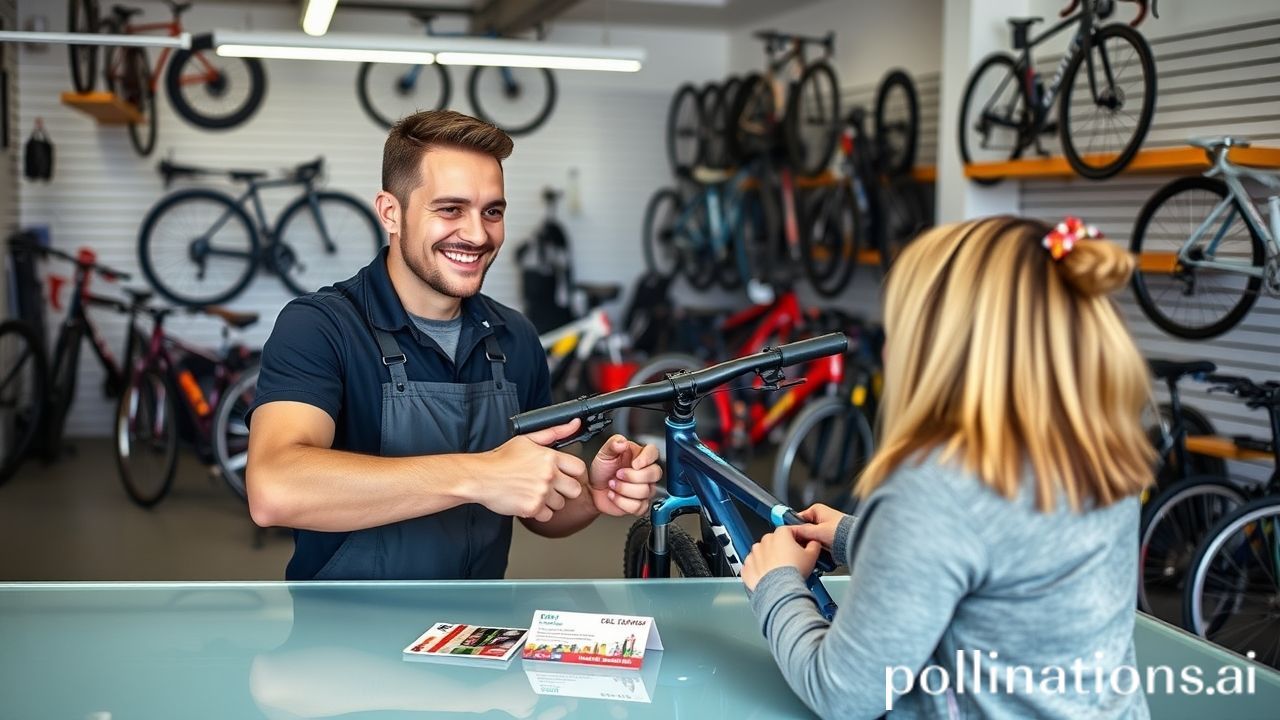
In today's dynamically developing market, where competition is around every corner, maintaining customer loyalty has become one of the most significant challenges for every business. This is no different for bicycle workshops, where customer satisfaction and loyalty can decide the success or failure of the business. A loyalty system, as an effective marketing tool, can be a key element in building long-term and fruitful relationships with customers. This article will not only explore the advantages of implementing such a system but also address the aspects to consider to ensure the loyalty program yields the expected results.
In the past, customers often decided to make purchases or use services due to a lack of alternatives. Today, the situation is entirely different. In an era of high competition and easy access to information, customers have the opportunity to choose among many entities offering similar services. In such a scenario, loyalty becomes the deciding factor that can influence the choice of a specific workshop. A satisfied customer means not only repeat visits but also positive opinions and recommendations, which are invaluable for business development.
Increased Customer Retention
Retaining a customer is often less expensive than acquiring a new one. A loyalty system motivates customers to return to the workshop by offering specific benefits, such as discounts, points per transaction, or special offers. This creates a virtuous circle where a satisfied customer becomes a brand ambassador.
Building Customer Relationships
A loyalty program is not just about points. It is also a way to build a personal relationship with the customer. Through regular communication, special offers, and the opportunity to participate in events organized by the workshop, customers feel appreciated and valued.
Stimulating Purchase Activity
Loyalty systems often motivate customers to visit more frequently or make larger purchases. For a bicycle workshop, this could mean more frequent bike check-ups, the purchase of accessories, or the use of additional services such as tuning or personalization.
Collecting Customer Data
Modern loyalty systems, based on mobile applications or chip cards, allow for the collection of valuable data on customer behaviors and preferences. This information can be used to create more tailored offers and to optimize business operations.
Selecting the Right Model
Not every loyalty system is suitable for every workshop. Consider the nature of the business, customer expectations, and budget. Is a classic point-based system the best solution, or is it worth opting for a more innovative approach, such as tiered programs with different reward levels?
Technological Infrastructure
Implementing a loyalty system often requires investment in modern tools, such as mobile applications, card readers, or CRM systems. It is worth considering whether there are sufficient resources to finance and effectively manage this investment.
Promotion of the Program
The best loyalty system will not yield the expected effects if customers do not use it. Key factors include proper promotion, such as email marketing, SMS notifications, social media advertising, or informing customers during their visit to the workshop.
Maintaining Interest
For a loyalty system to be effective in the long term, it must be regularly updated and adapted to changing customer needs and expectations. Stagnation in this regard can lead to a loss of customer interest.
Start with a Survey
Before implementing a loyalty system, it is worth conducting a survey among current customers. Find out what they expect, what reward forms are most attractive to them, and what tools (cards, applications) they use most willingly.
Choose the Right Tool
There are many ready-made solutions for loyalty systems on the market. It is worth comparing different options and selecting the one that best meets the needs of your workshop. Pay attention to ease of use, integration possibilities with other systems, and costs.
Train Your Staff
Before implementing the system, ensure that all employees in the workshop are aware of it and can use it correctly. It is worth conducting training to avoid mistakes and ensure consistent communication with customers.
Monitor and Optimize
After implementing the loyalty system, regularly monitor its effectiveness. Analyze statistics, customer opinions, and sales impact. Based on this data, make any necessary modifications to ensure the system is as effective as possible.
Implementing a loyalty system in a bicycle workshop can be an investment that brings long-term benefits. It will increase customer retention, stimulate their purchasing activity, and enable the building of strong and lasting relationships with customers. However, to achieve the expected results, the system must be carefully planned, tailored to business and customer needs, and continuously monitored and optimized. It is important to remember that loyalty is not just a program—it is also the attitude and the way you perceive your customers. By investing in a loyalty system, you are investing in the future of your workshop.
In today's dynamically developing market, where competition is around every corner, customer loyalty is one of the most critical factors deciding the success of your workshop. Customers who feel appreciated and valued are much more likely to return to a place where they receive professional service combined with a personal approach. Creating a loyalty system is not only a way to increase the number of repeat visits but also to build long-term relationships with customers.
A loyalty system is an excellent way to motivate customers to visit your workshop more frequently. Implementing such a solution will not only increase the average purchase amount but also significantly improve customer satisfaction. Rewards, such as discounts on subsequent services, free inspections, or special offers for the most active customers, build a sense of belonging and are a strong incentive to return. Moreover, this system can be a great tool for collecting data on customer preferences, allowing you to better tailor your offerings to their needs.
It is worth remembering that loyalty is not just about material rewards. Customers who feel appreciated often become brand ambassadors, recommending your workshop to their friends and acquaintances. In the age of social media, where customer opinions have immense power, loyalty becomes an even more important element of the business strategy. Ensure that every customer feels exceptional, and the results will not be long in coming.
By building long-term relationships with customers, we create lasting bonds that translate into loyalty. Customers who receive exceptional offers feel more valued, which increases their satisfaction and positive perception of your workshop.
Creating personalized offers, such as discounts on subsequent services, special promotions for regular customers, or additional benefits like express oil changes, are just some of the strategies that can significantly improve the customer experience.
It is also worth investing in loyalty software that allows you to track customer activity and tailor offers to their needs. Organizing special events, such as an "Open Workshop Day" or customer training sessions on bike maintenance, are additional ideas that can strengthen the relationship with customers.
All these activities not only increase customer satisfaction but also build a positive image of your workshop, making it synonymous with professionalism and customer care. Ultimately, improving the customer experience translates into increased loyalty, positive reviews, and, most importantly, the growth of your business.
Implementing a loyalty system can effectively encourage customers to visit your service point more frequently. Introducing a program that rewards regular customers not only increases traffic but also strengthens relationships with them, creating a loyal customer base. For example, the promise of free tire changes after five visits or discounts on other services such as vehicle inspections or oil changes can effectively motivate customers to use your services more often. Additionally, a point-based system where customers earn points for each visit and can redeem them for attractive rewards, such as free car washes or special discounts, significantly increases customer engagement.
It is also worth considering adding extra benefits, such as priority service for the most active customers or special occasional offers celebrating their subsequent visits. This strategy not only increases visit frequency but also builds long-term relationships with customers, leading to greater loyalty and increased revenue. Implementing such a system is an investment in the stable development of your business, ensuring customer satisfaction and repeat visits.
By monitoring activity within the loyalty system, you can collect valuable data on customer preferences and purchasing habits. These systems allow for the collection of detailed information, such as purchase frequency, favorite products, average spending amounts, and the time of the last visit. This data is crucial for better understanding customer needs and expectations, which in turn translates into optimizing the commercial offer.
It is worth using advanced analytical tools, such as CRM systems or analytics platforms, which enable not only data collection but also analysis and interpretation. This allows for customer segmentation, enabling personalized marketing communication and tailoring the offer to individual preferences. For example, customers who regularly buy premium products can receive exclusive special offers, while new customers can be encouraged to return with special discounts.
Additionally, data collection allows for the identification of market trends and monitoring the effectiveness of marketing campaigns. This enables making more informed business decisions, such as optimizing the product range, dynamically adapting prices, or improving customer service processes. All of this translates into increased customer satisfaction and greater loyalty to the brand.
It is important to remember that data collection and use must be carried out with respect for privacy and in compliance with applicable regulations, such as GDPR. Transparency and data security are key elements in building trust with customers, which, in the long run, translates into greater effectiveness of the loyalty program.
In this way, by investing in data collection and analysis systems, you not only improve relationships with customers but also gain a competitive advantage in the market, offering services and products that truly meet the needs of your audience.
Competitive advantage is one of the most important factors deciding the success of a business in the market. It involves offering values that distinguish the company from the competition, attracting new customers while retaining existing ones. In today's rapidly changing business world, where competition is often significant, having a clear competitive advantage is not only an advantage but often a condition for survival.
Competitive advantage can result from various factors. One of the most important is innovation. A company that introduces new products or services to the market first gains an advantage because it meets customer needs in a way that the competition cannot yet offer. Another example is pricing strategy, where a company offers high-quality products at affordable prices, which directly influences consumer purchasing decisions.
Another important element is customer experience. Competitive advantage can stem from exceptionally professional service, personalized services, or building strong relationships with customers. It is worth remembering that a satisfied customer not only remains loyal to the brand but also recommends it to others, creating a positive reputation and thus increasing the competitive advantage.
Competitive advantage is also closely related to the value perceived by customers. When a company can effectively communicate its unique benefits, it increases its attractiveness in the market. In this context, adaptability to changing market trends and customer needs is also crucial. A company that can quickly respond to changes and adapt its offer gains an advantage over the competition.
It is also worth paying attention to the role of sustainable development in shaping competitive advantage. In today's world, where consumers are increasingly concerned about ecology and business ethics, a company that applies sustainable practices can attract the attention of conscious customers and gain an advantage over competitors.
In summary, competitive advantage is not only about a unique offer but also about effective communication, adaptation to the market, and focus on customer experience. A company that can successfully combine these elements gains a strong market position, attracting new customers and retaining existing ones, which translates into long-term success.
Implementing a loyalty system involves a series of investments that can be a significant challenge, especially for small businesses. Key costs include:
Software: Purchase or adaptation of specialized software to manage the loyalty program. This can include licensing costs, development of additional functionalities, and integration with existing IT systems, such as CRM or POS.
Hardware: Investment in new devices, such as barcode scanners or tablets for employees, which enable effective management of customer data.
Employee Training: Conducting professional training for the team on how to use the new system, which will ensure smooth implementation and minimize errors.
Technical Support: Ensuring technical support during the implementation phase and beyond to guarantee the system operates smoothly.
Promotion: Costs associated with advertising the new loyalty program to attract customers and increase their engagement.
Small businesses with limited resources can consider cloud-based solutions to reduce initial investment costs or implement the system in phases to spread expenses over time.
Regardless of whether you choose a card-based system, a mobile application, or an online program, managing it is extremely important and requires significant time and attention. Each of these systems has unique features that influence their management approach, and the right approach will not only maintain their functionality but also improve overall efficiency and effectiveness.
In the case of a card-based system, key aspects include not only the ongoing updating of data but also ensuring security and data integrity. Regular reviewing and updating of cards is necessary, as well as monitoring compliance with applicable regulations, such as data protection laws. Additionally, card-based systems often require integration with other tools, which can complicate the management process but also provide a holistic approach to resource management.
On the other hand, mobile applications require continuous monitoring and updates to ensure optimal performance and user experience. Managing a mobile application involves not only bug fixing but also introducing new features, adapting to changing user needs, and ensuring data security. Moreover, integration with other systems, such as cloud services or analytics platforms, can significantly improve the functionality of the application but requires careful management and coordination.
Online programs, often based on cloud technology, also require special attention. Managing such systems involves ensuring data security, access control, performance monitoring, as well as managing subscriptions and software updates. Additionally, online systems often require scaling as the organization grows, which can be challenging but also offers the possibility of expansion and adaptation to new needs.
In summary, effective management of the system, regardless of its type, is crucial for ensuring its stability, security, and effectiveness. This requires not only technical knowledge but also analytical and organizational skills, as well as continuous monitoring and adaptation to changing conditions. By investing time and attention in system management, the organization can not only avoid potential problems but also increase its competitiveness in the market.
A lack of interest in the loyalty program from some customers can stem from various factors, with one of the most important being the absence of immediate benefits. Many people, especially in today's fast-paced world, expect quick and visible results. Loyalty programs that offer only long-term advantages may be perceived as less attractive, especially for customers who value immediate rewards.
This preference for immediate gratification is rooted in human psychology. Studies show that people are more motivated by rewards received immediately than by those that require waiting. This phenomenon, known as "discounting the future," means that the value of future benefits is perceived as lower than the same value received in the present.
Additionally, the lack of appeal of a loyalty program can also be due to the specificity of the target group. For example, younger customers or those with lower incomes may be less inclined to invest time and resources in a program that does not offer them visible benefits in the short term. In such cases, it is important for the loyalty program to be simple to use, offer clear rules, and provide an easy and attractive way for customers to earn and redeem points.
It is also worth noting that a lack of interest in the loyalty program can result from insufficient communication. If customers are not aware of the benefits they can receive or if the program is overly complex, they are less likely to participate. Therefore, conducting effective informational campaigns that explain the value of the program and motivate customers to actively use it is crucial.
In summary, the lack of appeal of a loyalty program for some customers can result from various factors, including the absence of immediate benefits, psychological customer preferences, the specificity of the target group, and insufficient communication. To increase the program's appeal, it is essential to consider these factors and tailor the offer to meet customer needs and expectations.
A loyalty system is an extremely effective instrument for building long-term and close relationships with customers. Its implementation allows not only to increase customer engagement but also to significantly improve their overall experience with the brand. By implementing such a system, a business can effectively strengthen its market position, building a loyal customer base that becomes brand ambassadors.
Although implementing a loyalty system involves certain challenges, such as initial implementation costs, program management, or the need for continuous adaptation to changing customer needs, the benefits it brings often outweigh these inconveniences. A well-designed loyalty system, tailored to the specific needs of the business and customer expectations, can become a significant advantage for your workshop. It attracts new customers, retains existing ones, and increases the average order value by encouraging repeat purchases.
Is it worth investing in a loyalty system? If your goal is to build a strong, loyal customer base, strengthen your brand, and generate greater revenue, the answer is clear: yes! It is important to remember that loyalty is not just about rewarding customers but also about building an emotional bond with the brand. A properly managed loyalty system can become a key element of your marketing strategy, bringing long-term benefits to your business.